Introduction
Before a road, foundation or earthworks package is approved in Kuwait, the soil underneath it has to be tested — its shear strength, compaction, moisture content and bearing capacity all determine whether the ground can safely support the structure above it. This guide covers the geotechnical soil testing equipment used by contractors, laboratories and consultants on Kuwait construction projects.
Key Types of Geotechnical Soil Testing Equipment
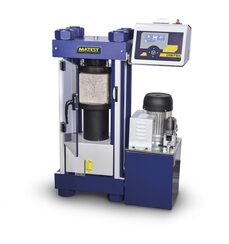
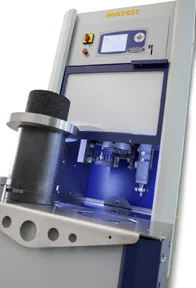
1- Direct Shear Testing Machines: Measure a soil sample's shear strength under controlled normal load — essential for foundation and slope-stability design. MIDLAB supplies digital shear testing machines with data acquisition systems; see our Soil Test Equipment page for available models.
2- Nuclear & Non-Nuclear Density Gauges: Field instruments such as the Troxler nuclear density gauge measure in-place soil density and moisture in seconds, confirming compaction meets specification before paving proceeds.
3- Proctor Compaction Test Equipment: Determines a soil's maximum dry density and optimum moisture content in the lab, giving the target that field compaction is measured against.
4- CBR (California Bearing Ratio) Testers: Evaluate the strength of subgrade and base-course materials for pavement design.
5- Atterberg Limits Equipment: Determines a soil's liquid limit, plastic limit and plasticity index — key inputs for classifying fine-grained soils.
6- Consolidation and Permeability Apparatus: Used in geotechnical labs to assess settlement behavior and drainage characteristics of soil under load.
Why This Matters on Kuwait Projects
Kuwait's construction sector — roads, airports, residential and industrial developments — depends on geotechnical testing to avoid costly rework: under-compacted fill can lead to settlement and pavement failure, while incorrect bearing-capacity assumptions put foundation design at risk. Contractors typically combine field density testing (nuclear or non-nuclear gauges) with lab-based classification and strength testing (shear, Proctor, CBR) to sign off compaction and subgrade quality before construction proceeds.
Soil Testing Equipment from MIDLAB
Middle East Labs Trading (MIDLAB) supplies geotechnical soil testing equipment in Kuwait, including Troxler density gauges and Matest/Gilson shear, compaction and classification equipment, with local technical support. See Soil Test Equipment for shear testing machines, or Troxler Testing Machines for field density gauges.
Frequently Asked Questions
What is the difference between field and lab soil testing?
Field testing (such as a nuclear density gauge) checks compaction directly on site during construction. Lab testing (Proctor compaction, Atterberg limits, shear strength) is done on collected soil samples beforehand to design the project and establish the targets that field results are compared against.
What equipment do I need to verify soil compaction in Kuwait?
Most contractors use a nuclear or non-nuclear density gauge in the field, compared against a Proctor compaction test result from the lab to confirm the required percentage of maximum dry density has been achieved.